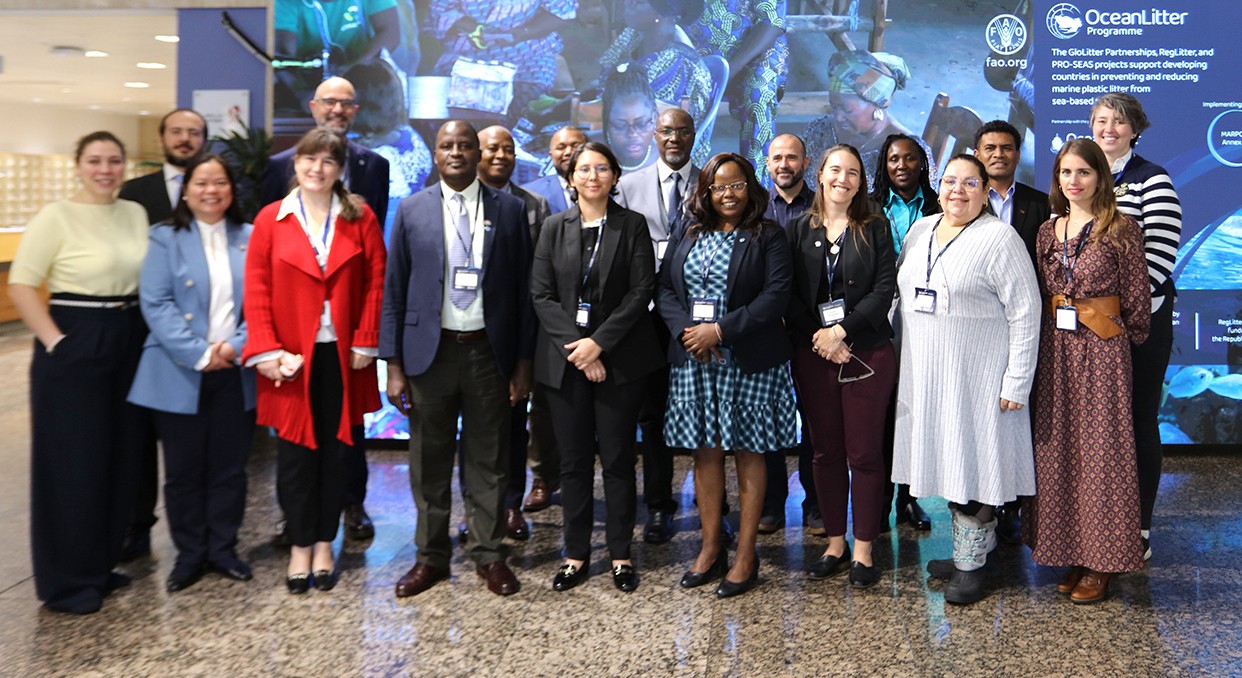
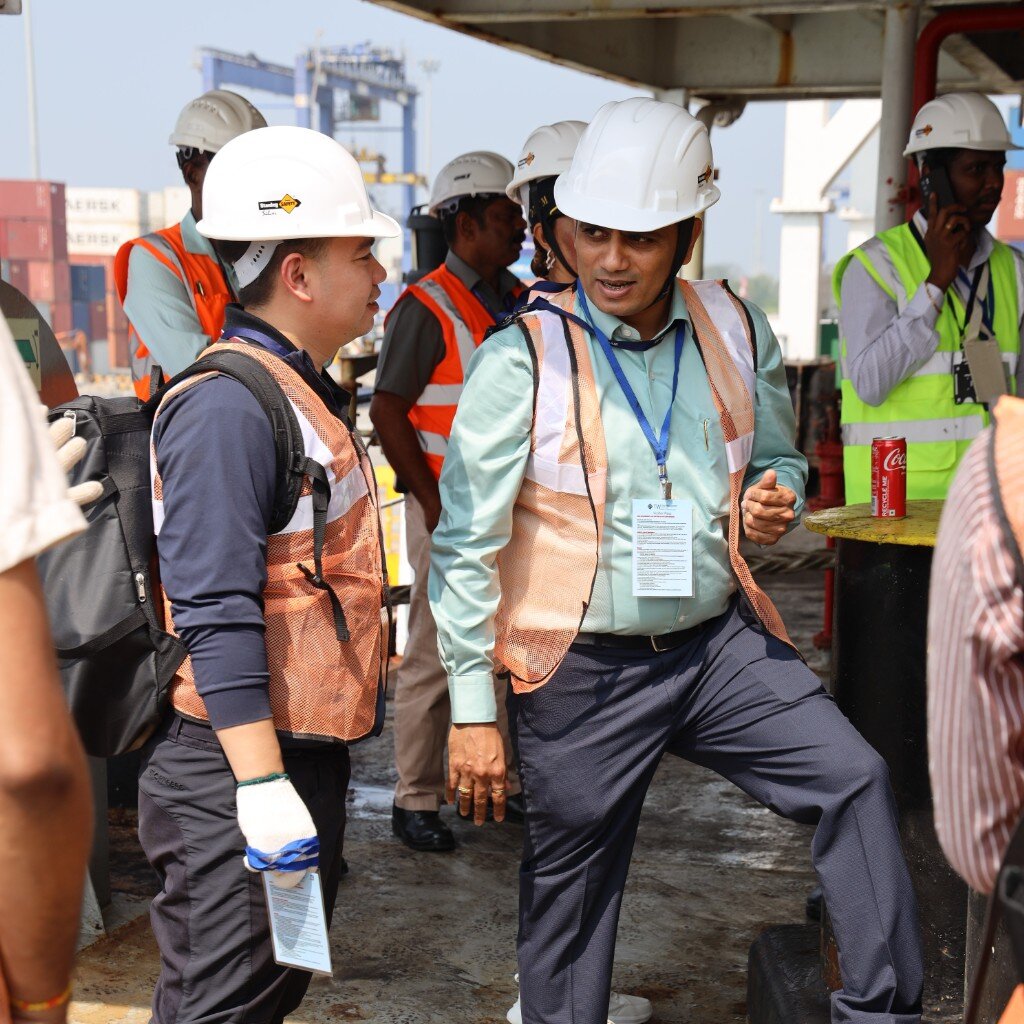
At the IMO Headquarters in London an exciting new phase for the OceanLitter Programme was brought forth with the PRO-SEAS inception meeting, the third project to be launched under the growing portfolio of the OceanLitter Programme to prevent and reduce marine plastic litter from sea-based sources.
Beneficiary countries of the project, strategic partners, IMO and the Food and Agricultural Organization of the United Nations (FAO) agreed on the project implementation plan and established the Project Steering Committee (PSC) that will be chaired by the Republic of Costa Rica over the next year. This milestone followed the signing of the UN-to-UN agreement between IMO and FAO to implement PRO-SEAS on 25 September 2025 on the World Maritime Day.
PRO-SEAS is a Global Environment Facility funded project implemented by FAO and executed by IMO. The GEF Trust Fund provides US$7.1 million for its execution. This is complemented by US$67 million of in-kind support co-financing provided by project partners.
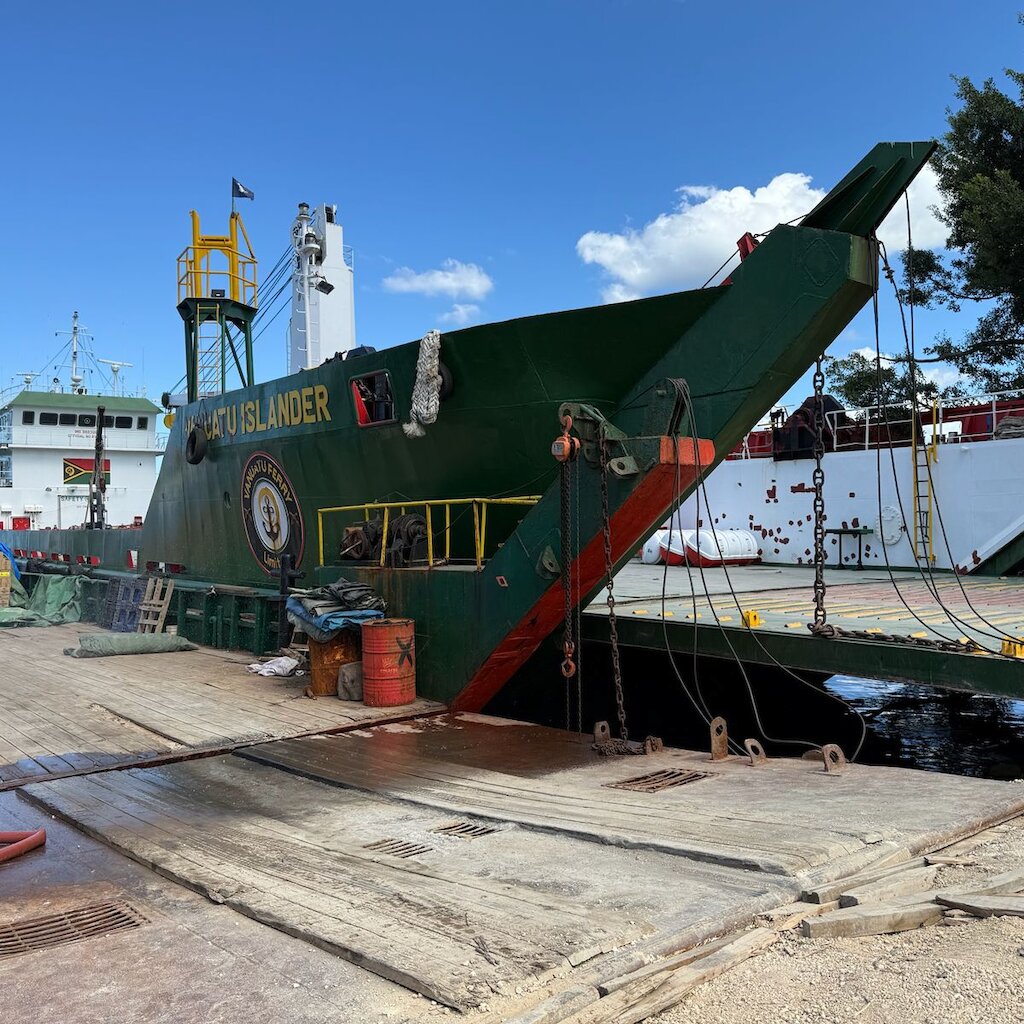
The overarching objective of the project is preventing and reducing marine plastic litter originating from shipping and fisheries sectors through targeted technical assistance to the four selected countries (the Republic of Costa Rica, Jamaica, the Republic of Vanuatu and the Republic of Kenya) in implementation of their national priorities.
PRO-SEAS is the third project under the umbrella of the OceanLitter Programme. PRO-SEAS arose from the success of the four selected countries under the GloLitter Partnerships project. The countries were identified as the issue of sea-based marine plastic litter is transboundary, and these nations cover four key regions across the globe (Central America and the Caribbean, Pacific and Africa) spanning three Large Marine Ecosystems (LMEs), including the Caribbean Sea LME, the Pacific-Central American Coastal LME and the Somali Coastal Current LME.
Through this transboundary and collaborative approach PRO-SEAS aims to expand on the successes of the GloLitter Partnerships project and continue to implement successful national and regional frameworks towards reducing sea-based marine plastic litter.